Why 96% of New Memecoins Fail: Real Data From 835 Tokens
Drill scanned 835 Solana tokens last week. Only 31 passed. Here is what the other 804 got wrong, backed by real data.

Let me save you some money.
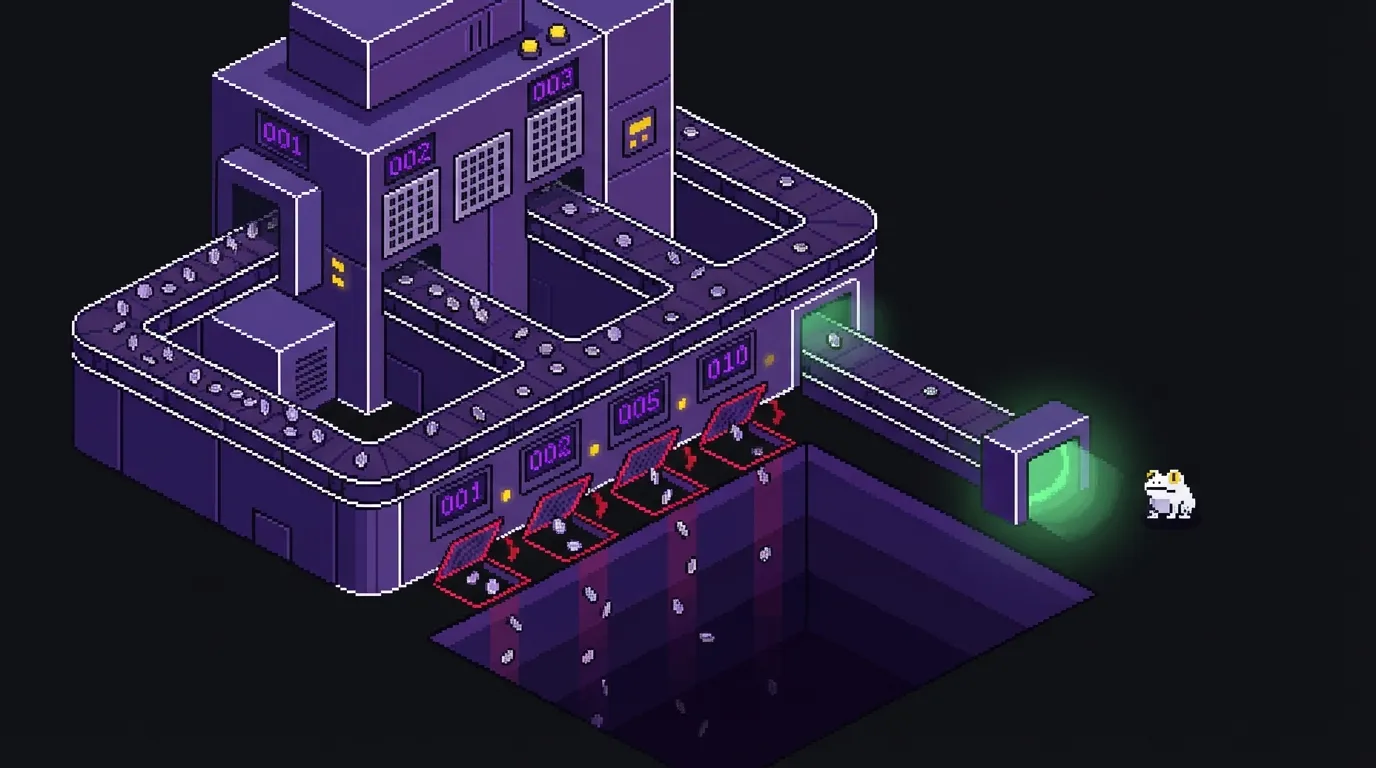
Last week, Drill scanned 835 new Solana tokens. It tracked each one for 24 hours, checked their security, analyzed their wallets, and ran them through its filters. Out of 835, only 31 passed. That's a 3.7% selection rate.
The other 804? Hard rejected. Gone before you ever saw them.
And here's the thing nobody tells you: even among the 31 that passed, the median outcome was 1.39x. Not 100x. Not 10x. 1.39x. That's the honest number.
How Quickly Do Most Memecoins Fail?
When people imagine a memecoin "failing," they picture a slow bleed. Price drifts down over days, community goes quiet, chart flatlines.
That's not what actually happens.
Of the 835 tokens Drill tracked last week, 798 were hard rejected (tokens that fail critical security checks and get flagged instantly). That's 95.6% rejected before a human ever needed to look at them. These aren't close calls. These are tokens with fundamental problems baked into their smart contracts from the moment they launched.
Industry data backs this up. Research from ChainPlay found that 98% of tokens launched on Pump.fun (the most popular Solana launchpad) have already died, with an average lifespan of just 12 days. Less than 1.5% ever "graduate" (hit the $69,000 market cap needed to move to a decentralized exchange like Raydium).
Drill's 96% rejection rate isn't pessimistic. It's actually generous compared to the broader market.
What Are the Most Common Reasons a Token Gets Rejected?
Drill checks dozens of criteria, but the biggest killers fall into a few categories.
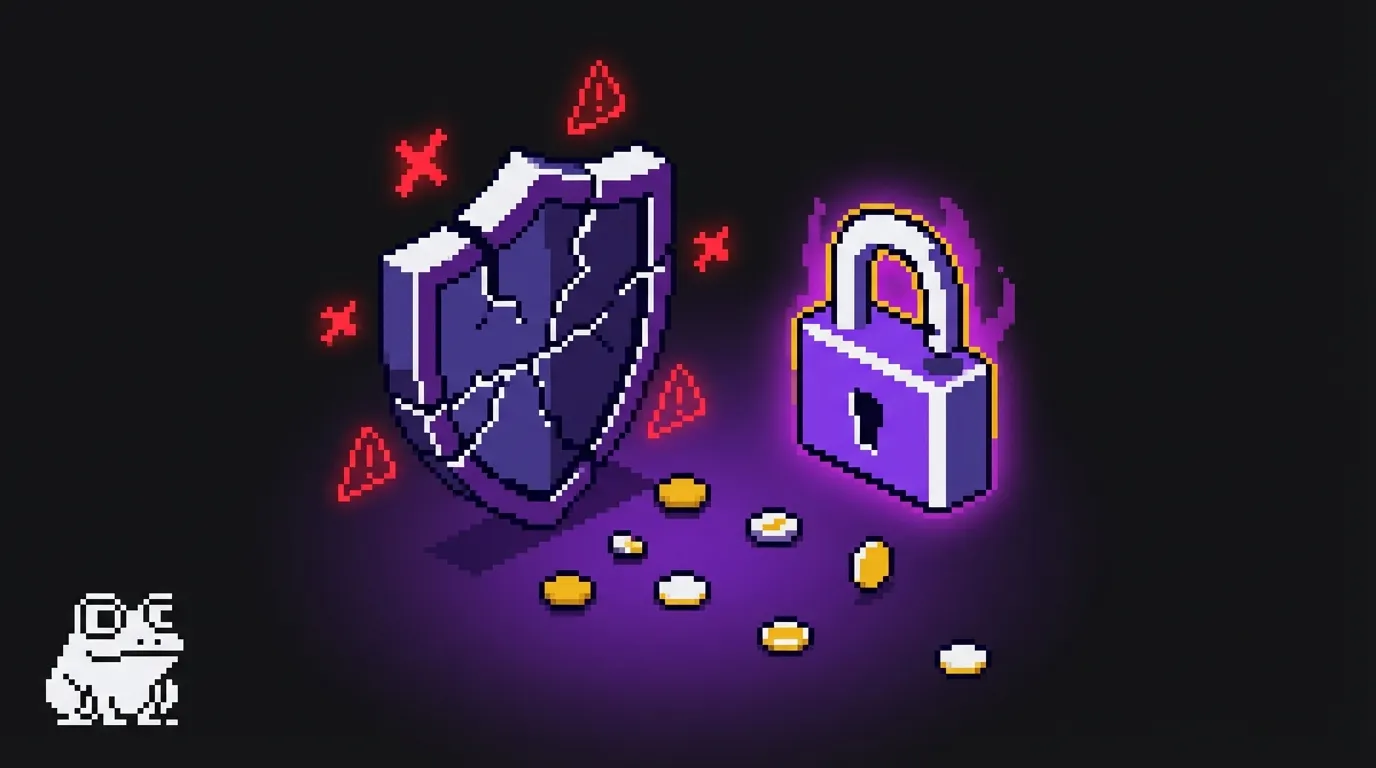
Active mint authority. This means the token creator can print unlimited new tokens whenever they want. Imagine buying shares in a company where the CEO can issue a billion new shares at any moment and dump them on you. That's what active mint authority looks like. Drill sees it and immediately flags it.
Active freeze authority. Even scarier than minting. With freeze authority, the creator can literally lock your wallet so you can't sell. You buy in, the price pumps, you try to sell, and nothing happens. Your tokens are frozen. This is the backbone of what's called a honeypot (a token designed so you can buy but never sell). Drill catches these before you ever see them.
Wallet concentration. Among the 31 tokens that passed Drill's filters last week, the average top 10 holders owned about 17% of the supply. That's within healthy range. But rejected tokens routinely show 40%, 50%, even 70%+ concentrated in a handful of wallets. When a few wallets control the supply, they control the price. → Related: How to Spot a Rugpull
Serial deployers. One of the most interesting catches last week: a token called Hero (full name "Penguin Wif Backpack") came from a deployer who had created 744 previous tokens. Seven hundred and forty four. That's not a community project. That's a factory. Drill flags serial deployers because the pattern is clear: deploy, pump, abandon, repeat.
What Makes the 4% of Tokens That Pass Different?
So what separates the 31 survivors from the 804 rejects?
The selected tokens shared a few traits. Average top 10 wallet concentration was about 17%, well under the 25% danger threshold. Average developer holdings were 0.05%, basically nothing. Bundler holdings (wallets that bought in a coordinated batch at launch) averaged 8%, which is elevated but within bounds. Average market cap at selection was around $121,000, and average liquidity was about $29,000.
These aren't moonshot numbers. They're modest, early stage tokens that passed basic security checks. Drill doesn't find winners. It filters out the obvious traps so you can evaluate what's left with clearer eyes.
And even then, the results are humbling. The best pick last week was MEMECARD, which hit nearly 17x in about 3.5 hours. Sounds incredible, right? But the median was 1.39x. For every MEMECARD, there are 15 tokens that barely moved.
Does Bonding Speed Actually Predict Token Success?
Here's a pattern the data revealed. Tokens that bonded on Pump.fun in under 5 minutes had a median outcome of 1.26x. Tokens that took 5 to 15 minutes? 1.39x. The tokens that took over an hour to bond had a median of 9x, but that's based on only 2 tokens, so take it with a grain of salt.
The takeaway: rushing to buy the fastest bonding token isn't a strategy. The speed of a token's early trading doesn't reliably predict where it ends up. The tokens that took their time and built organic interest often performed better. → Related: What Happens When a New Memecoin Launches
The Market Right Now Is Brutal
Look. In the last 24 hours alone, Drill tracked 119 tokens. How many passed? Zero. Not a single one. 100% hard rejection rate.
That doesn't happen every day. But it's a signal. The selection rate has been dropping, from 5.4% last week to 3.7% this week. Token volume is down. Median outcomes are shrinking.
The broader numbers tell the same story. About 11.6 million tokens stopped trading entirely in 2025, with 7.7 million of those dying in Q4 alone. The memecoin market cap dropped from $150 billion to under $50 billion in that same period.
This isn't doom and gloom. Cycles are normal. But right now, the filter is catching almost everything because almost everything deserves to be caught.
Real Talk
Here's the part that matters.
The difference between losing money and making money in memecoins isn't picking the right token. It's avoiding the 96% that were designed to take yours. Most of those 804 rejected tokens last week weren't "bad investments." They were traps. Active mint authority, freeze authority, concentrated wallets, serial deployers. These aren't subtle red flags. They're flashing neon signs.
Drill catches them automatically. But even without a scanner, you can check most of these yourself. Look at the contract authorities. Check the top wallets. Google the deployer's address. It takes five minutes and it could save you everything. → Related: How to Spot a Rugpull
The data is clear: your best trade in this market might be the one you don't make.
Sources
- Every 24 Hours on Pump.fun, 10,417 Tokens Are Launched while 9,912 Become Defunct, ChainPlay
- Pump.fun memecoins are dying at record rates, less than 1% survive, Cointelegraph
- Meme Coins Bear the Brunt as 11.6M Crypto Projects Fail in 2025, CryptoNews
- Memecoin boom turns into quiet capitulation after $150 billion peak, CoinDesk
- Drill.meme Drill data, March 14–21, 2026