One Wallet. 399 Tokens. Here's How to Spot Serial Scammers.
Learn how to check if a memecoin creator has launched scam tokens before. Real Oracle data reveals serial deployers and the free tools to catch them.

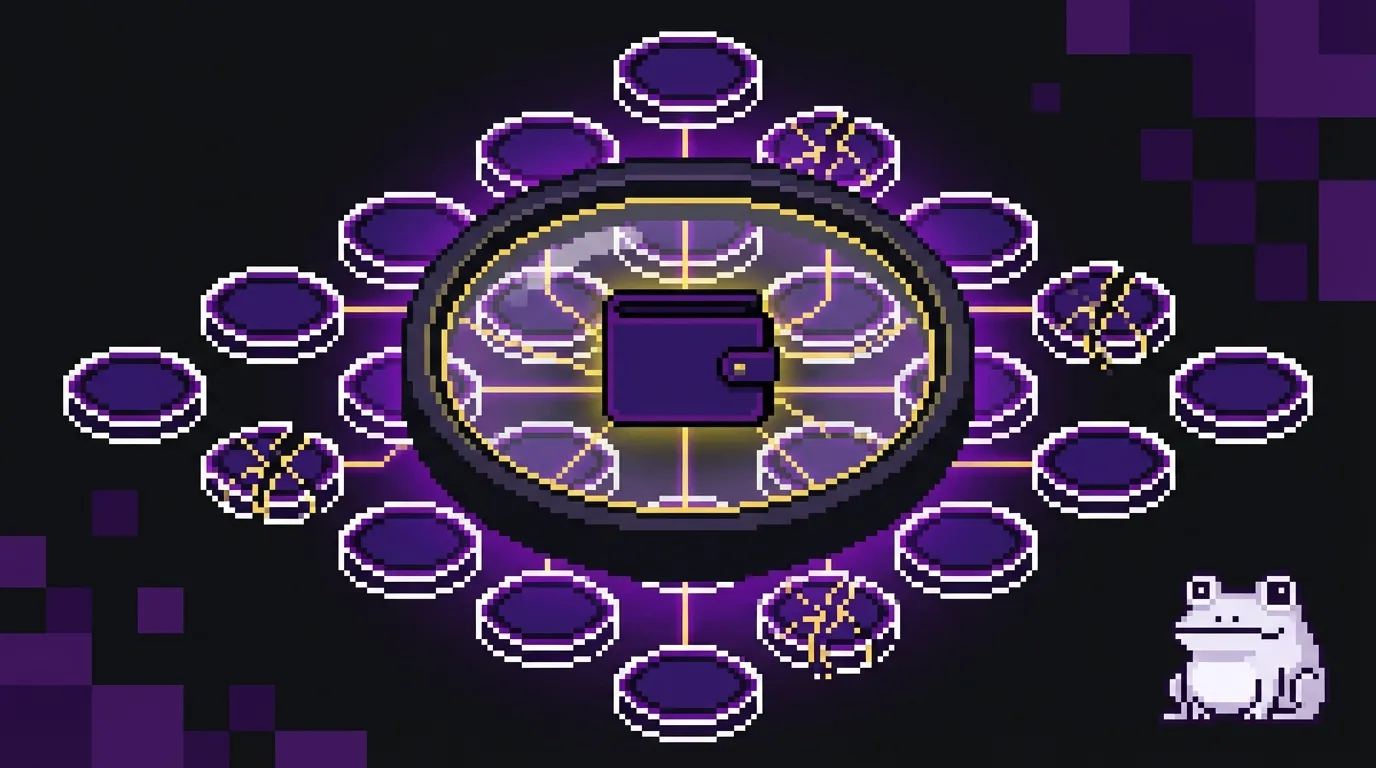
Last week, the Oracle flagged a token called DISLIKE. It passed the security filters, hit 2.86x in 72 minutes, and honestly looked like a normal pick.
Then we checked the deployer wallet.
399 previous tokens. Three hundred and ninety-nine. All launched from the same wallet. Let that sink in for a second.
DISLIKE wasn't that deployer's first rodeo, or their hundredth. It was number four hundred. And unless you knew where to look, you'd never have caught it.
What Is a Serial Deployer?
A serial deployer is exactly what it sounds like: one wallet launching token after token after token. Sometimes dozens per week. Sometimes hundreds over a few months.
Think of it like a street vendor who keeps setting up the same rigged carnival game at different intersections. Same person, same trick, different name on the booth.
On Solana, launching a token costs practically nothing. A few dollars in fees. That's it. So there's zero friction stopping someone from creating 400 tokens, abandoning each one when the hype dies (or after pulling liquidity), and starting over with a fresh name.
The blockchain remembers everything. But most traders never look.
Why This Matters More Than You Think
Here's the thing nobody tells you about serial deployers: not all of them are outright rugpullers (someone who drains liquidity and disappears). Some operate in a grayer area.
They launch a token, hype it in a Telegram group, ride the initial pump, sell their allocation near the top, and move on. The token slowly bleeds out. Technically nobody "pulled the rug." But the outcome for you is the same: you lose money.
According to research by Solidus Labs, roughly 98.6% of tokens launched on Pump.fun (the biggest Solana launchpad) showed rug-pull or pump-and-dump characteristics. That's not a typo. Nearly every single one.
The Oracle scanned 770 tokens in the last 7 days. Only 13 passed all security and market health filters. That's a 1.69% selection rate, down from 5.13% the week before. The market is getting worse, not better.
→ Related: How to Spot a Rugpull: 5 Warning Signs Anyone Can Check
How to Check a Creator's History (Step by Step)
You don't need to be a developer. You don't need paid tools. Here's how to investigate any token creator in about 60 seconds.
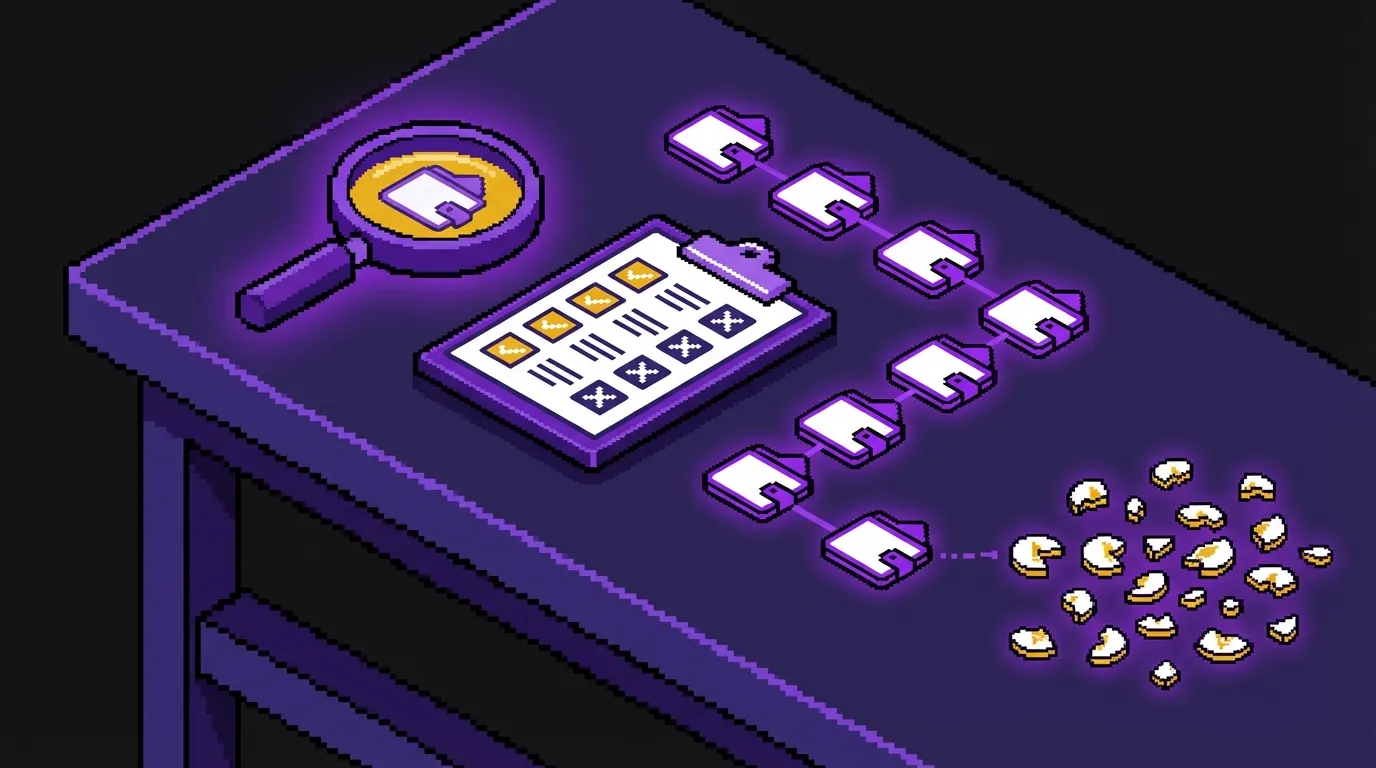
1. Find the deployer wallet address.
Go to Solscan or Solana Explorer. Paste the token's mint address. Look for the "Authority" or "Creator" field. That's the wallet that launched this token.
2. Check that wallet's history.
Click on the deployer wallet address. Now you can see every transaction this wallet has ever made. Look specifically for token creation transactions. If you see dozens (or hundreds) of them, that's your red flag.
3. Use RugCheck.xyz for a quick scan.
RugCheck gives you a risk score and breaks down whether mint authority (the ability to create unlimited new tokens and dump them on you) and freeze authority (the ability to lock your wallet so you can't sell) are still active. Both should be revoked on any legitimate token.
4. Check the token on DexScreener.
DexScreener shows you trading patterns. Look for uniform bot-sized buys in the early transactions. If the first 50 buys are all for the exact same amount, that's wash trading (fake volume created by the deployer to make the token look active).
5. Look at holder distribution.
Back on Solscan, check the "Holders" tab. If the top 10 wallets hold more than 25% of supply, that's a warning. Among the tokens the Oracle selected last week, the average top-10 concentration was about 18%. Among rejected tokens, it was significantly higher.
The 60-Second Pre-Buy Checklist
Before you swap into anything, run through this:
- Paste the token address into RugCheck. Is the score clean?
- Is mint authority revoked? (If not, skip it. Period.)
- Is freeze authority revoked? (Same deal.)
- How many tokens has this deployer created before? (More than 5? Proceed with extreme caution. More than 20? Walk away.)
- Is liquidity locked or burned? (Locked for less than a week doesn't count. That's like locking your front door but leaving the key under the mat.)
- Do the top 10 holders control less than 25% of supply?
Fail more than two of these? Close the tab.
What the Oracle Does Differently
Most token scanners check the token itself: is the contract safe, is liquidity locked, are the numbers green. That's basically antivirus software from 2005. It catches the dumb scams. The smart ones walk right through.
The Oracle evaluates deeper. Holdings distribution, organic trading patterns, market health metrics, security scoring. It runs these checks across thousands of tokens daily, and in the last 30 days it tracked 3,655 tokens total. 174 passed all filters. The other 3,458 got hard-rejected before they ever reached your screen.
That DISLIKE token with the 399-token deployer? It actually passed the Oracle's automated security filters because the token itself was technically clean: no active mint authority, no freeze authority, reasonable holder distribution. The deployer's history is a separate dimension of risk that requires looking beyond the token contract.
This is why the checklist above matters even for tokens that pass automated scans.
Key Takeaways
- Check the deployer wallet, not just the token. A clean contract doesn't mean the person behind it is clean.
- Use Solscan to count how many tokens a wallet has created. More than 5 previous tokens from the same wallet is a serious yellow flag. More than 20 is a dealbreaker.
- Run RugCheck on every single token before buying. It takes 10 seconds and catches the most obvious dangers (active mint authority, active freeze authority).
- The Oracle hard-rejected 97.9% of tokens it scanned last week. If almost everything fails automated security checks, imagine how much more fails when you add deployer history on top.
- Low creation costs mean serial scamming is free. Solana's speed and cheap fees are great for traders, terrible for accountability.
Real Talk
Look. The DISLIKE deployer with 399 tokens isn't unusual. That's the part that should scare you. Cheap transaction fees and one-click token creation mean this is the default behavior on Solana right now, not the exception.
The tools to check are free. The information is on-chain. Nobody is hiding it from you. The problem is that most people never look because they're too busy watching the chart go up.
Sixty seconds of research before you buy. That's it. It won't protect you from everything. But it'll protect you from the most obvious traps, which, according to the data, is most of them.
→ Related: What Happens When a New Memecoin Launches (The Lifecycle)
Sources
- Pump.fun exec says 'most lose' on memecoin platform, lawsuit alleges (DL News)
- Solana Rug Pulls & Pump-and-Dumps: What Crypto Institutions Must Know (Solidus Labs)
- How to Check If a Solana Token Is a Scam (2026 Guide) (DailyCoinPost)
- Almost 100% of examined Solana memecoins are scam (CyberNews)
- Drill.meme Oracle data, March 17-24, 2026