MICHI Surged 325% Today Because of a Deadline. Here
Solana memecoin MICHI surged 325% on its token migration deadline. Learn what token migrations are, how they create supply squeezes, and how to protect your money.

MICHI Surged 325% Today Because of a Deadline. Here's What Token Migrations Are and Why They Can Wreck You.
A dead cat bounced. Literally.
MICHI, a Solana-based cat memecoin that peaked near $0.58 back in May 2024, had been sitting at a 99% loss from its all-time high. Flatlined. Forgotten. The kind of token you see in your wallet and wince at, but never bother selling because what's the point.
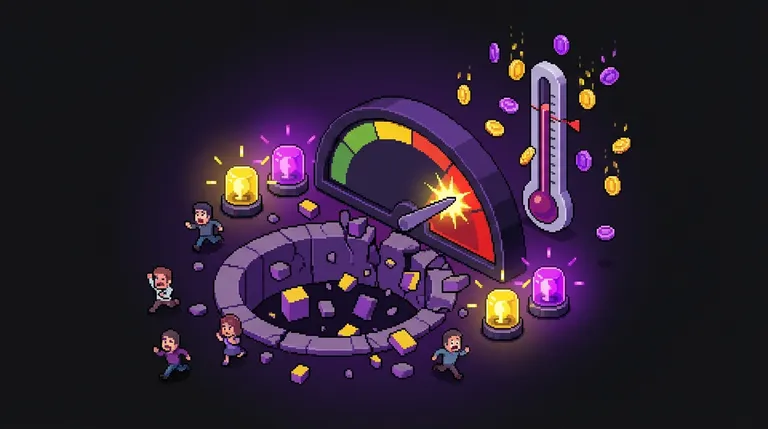
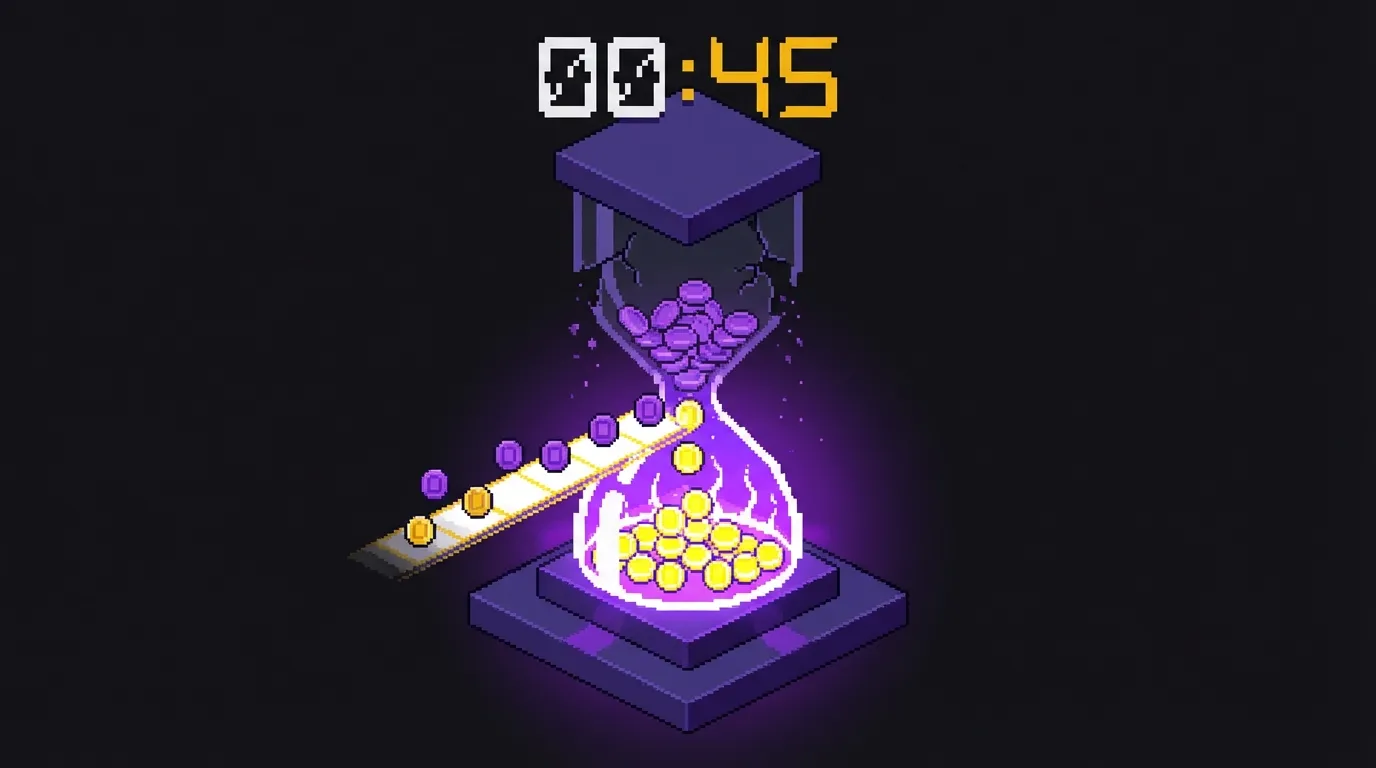
Then today, March 10, 2026, MICHI ripped 325% in 24 hours. And the reason wasn't a viral tweet or a celebrity endorsement. It was a deadline. A token migration deadline, specifically. If you don't know what that means, you're not alone, and this is one of the most overlooked ways people lose (or accidentally make) money in crypto.
What Actually Happened With MICHI
Here's the short version. The MICHI team launched a new token contract on Solana and told holders: swap your old tokens for new ones by 1:00 PM EST on March 10. After that, the window closes.
Simple enough. Except a lot of people didn't do it.
Some forgot. Some didn't know. Some had their tokens buried in wallets they haven't checked in months. Some probably saw their bag was worth $14 and figured it wasn't worth the effort.
The result? A massive chunk of the old MICHI supply got left behind, permanently locked in the old contract. Gone. That meant the new MICHI token launched with a dramatically smaller circulating supply than the original.
Less supply. Same demand (or more, because the migration created buzz). Price goes up. Way up.
That's a supply squeeze (when available tokens shrink faster than demand, forcing the price higher). It's the same mechanic that makes short squeezes so violent in the stock market, just happening here through a migration deadline instead of margin calls.
So What Is a Token Migration?
Think of it like a company recalling an old product and replacing it with a new version. You send back the old one, you get the new one. If you don't send it back by the deadline, you're stuck with something that doesn't work anymore.
In crypto, a token migration (also called a token swap) is when a project replaces its old token contract with a new one. Your old tokens stop being valid. The new ones take their place.
Why would a project do this? Lots of reasons.
Sometimes the old contract has a bug or security issue. Sometimes they want to change the supply structure or add features that can't be patched on the existing contract.
The process usually works like this: the team announces the migration, gives you a deadline, and sets up a portal where you connect your wallet and swap old tokens for new ones. If your tokens are on a centralized exchange, the exchange usually handles it automatically. If they're in a self-custody wallet (like Phantom or Backpack), you have to do it yourself.
That "do it yourself" part is where people get burned.
Why Token Migrations Are Dangerous
I've seen this movie before. It goes like this.
Problem #1: You miss the deadline. This is the big one. After the cutoff, your old tokens are worthless. Not "worth less." Worthless. They're locked in a contract nobody honors anymore. You can't sell them, swap them, or recover them. The MANTRA token migration saw about 7% of all tokens forfeited by holders who simply didn't migrate in time. Seven percent of an entire token supply, just gone.
The MakerDAO migration from MKR to SKY was even more brutal. If you swapped before September 2025, you got 24,000 SKY per MKR. After the deadline, that conversion rate drops by 240 SKY every three months. Eventually, 1 MKR will be worth 0 SKY through the official channel. Your tokens slowly bleed to nothing if you don't act.
Problem #2: Scammers come out of the woodwork. Every single token migration attracts phishing attacks. Fake migration portals. Fake "official" links in Telegram. Fake customer support accounts on X. They all look real. They all drain your wallet.
The pattern is always the same: someone posts a link that says "migrate your tokens here," you connect your wallet, and instead of swapping your tokens, you approve a transaction that empties everything. Tools like Drill.meme's Oracle help flag sketchy contracts automatically, but during migrations, you need to be extra paranoid.
Problem #3: You didn't even know it was happening. If you're not actively following a project's socials, Discord, or blog, you might not hear about the migration until it's too late. Especially with memecoins, where the "team" might be three anonymous developers who communicate entirely through Telegram announcements.
Why MICHI's Surge Might Not Last
Here's the thing nobody tells you about migration squeezes: they're mechanical, not fundamental.
MICHI didn't surge because the project suddenly got better, or because the cat meme became more popular, or because some whale decided MICHI was undervalued. It surged because the supply got compressed. That's a one-time structural event.
Once the market fully prices in the new, smaller supply, the squeeze is over. The token has to survive on actual demand after that. And for a cat memecoin trading at a market cap of roughly $4 million with no real utility? (Yes, I learned this the hard way with similar plays.)
That doesn't mean you can't trade it. But if you're buying MICHI at 325% up thinking "this is just getting started," you might be the exit liquidity (the person who buys right before everyone else sells).
How to Protect Yourself During a Token Migration
If a token you hold announces a migration, here's your checklist. Do all of this. Skip nothing.
- Verify the announcement through official channels only. Go to the project's verified Twitter account, official website, or Discord. Not a link someone DM'd you. Not a Telegram message from "admin support."
- Check if your exchange handles it. If your tokens are on Coinbase, Binance, or another major exchange, they usually migrate for you automatically. Confirm by checking the exchange's announcements page.
- Note the deadline and set a reminder. Put it in your calendar. Put it in two calendars. The deadline is real and usually final.
- Use only the official migration portal. Bookmark it directly from the project's verified site. Don't click links from social media, email, or messaging apps.
- Check what you're approving. Before signing any transaction, read what permissions you're granting. If it asks for unlimited token approval or access to tokens you didn't expect, stop. Something is wrong.
- Don't rush. Migrations usually give you weeks or months. The scammers are the ones who create urgency. "Migrate NOW or lose everything!" on day one of a three-month window is a red flag.
Key Takeaways
- Token migrations replace old contracts with new ones, and missing the deadline means your old tokens become worthless.
- MICHI's 325% surge came from a supply squeeze, not a fundamental change, so be careful chasing migration pumps.
- Scam portals multiply during every migration, so verify everything through official channels only.
- If your tokens are on a centralized exchange, migration is usually automatic, but always confirm.
- Set calendar reminders for every migration deadline, because "I'll do it later" is the most expensive sentence in crypto.
Real Talk
Most people reading this don't hold MICHI. That's fine. This isn't really about MICHI.
This is about the next migration that hits a token you actually care about. Because it will happen. Projects migrate contracts all the time. And when yours does, the difference between "I caught it early and swapped" and "wait, what happened to my tokens?" is usually one missed Telegram message and a deadline you didn't know existed.
Stay paranoid. Check your wallets. Follow the projects you're invested in, even the ones you've mentally written off. The portfolio tab you're ignoring might have a ticking clock on it right now.
Sources
- 99% Crash From ATH to 325% Surge in 24 Hours: Why Solana Memecoin $MICHI's March 10 Migration Could Flip the Script - CCN
- Token Migrations: The Hidden Threat to Crypto Holders - Medium (Rabbit)
- What Are Token Migrations In Crypto? How They Work, Risks To Know, And How To Protect Your Tokens? - MEXC
- Token Migration, Blockchain Migration, & Token Swap - Gemini
- MKR to SKY Token Migration Deadline - Phemex
- michi Price Chart & Market Data - CoinGecko